Leah Thorpe

The Impact of Drones on Land Assessment

The Impact of Drones on Land Assessment

Drones, with their ability to swiftly cover vast landscapes and deliver high-quality data, have revolutionized surveying and mapping by enhancing accuracy, efficiency, and safety in land assessment. Traditional methods that proved labor-intensive and limited in coverage and accuracy have been replaced by these innovative flying devices. With drones, like the ‘WingtraOne survey drone,’ surveyors can now capture detailed images and gather high-resolution data swiftly, paving the way for more precise mapping and thorough land assessment.

Drones revolutionized land assessment activities. Leveraging their flexibility and ability to capture data over large areas, drones have significantly transformed traditional surveying methods, making them faster, more accurate, and safer. Drones ameliorate traditional methods’ limitations, especially in hazardous or inaccessible areas. Equipped with advanced sensors and high-resolution cameras, drones have shown remarkable efficiency in data capture, ensuring precise mapping and 3D modeling.

This surge in productivity is due to several factors.

  • Time-saving: Drones drastically cut down survey time, covering a larger area in a shorter time span.
  • Cost-effectiveness: Incorporating drones into land assessment results in significant cost reductions as it minimizes human resources and lowers survey costs.
  • Enhanced Accuracy: With their advanced sensors and high-resolution cameras, drones can capture precise measurements ensuring increased data accuracy.

Benefits of Drone Surveying

Drone surveying comes with numerous benefits which make it a superior alternative to traditional survey methods.

  • Coverage and Versatility: Drones offer vast coverage making it possible to survey large areas efficiently. They are proven useful even in hazardous or inaccessible locations, ensuring accurate and detailed land assessments in areas challenging to reach or dangerous for human surveyors.
  • Safety and Convenience: Given that drones can be operated remotely, they offer improved safety for surveyors while also providing the flexibility to survey land at lower altitudes and inaccessible areas.
  • High-Quality Data: Drones equipped with high-resolution cameras and sensors capture detailed imagery ensuring thorough land assessments. They provide precise elevation data, which is crucial for accurate mapping and 3D modeling.
  • Cost-Efficiency: Drone integration into land survey processes has significantly reduced survey costs. Drone surveying is cost-effective as it minimizes manual labor and takes considerably less time, contributing to more productivity.
  • Accuracy and Precision: With the ability to record high-resolution aerial images, drones reduce human error, ensuring accuracy in land assessments.

Drone surveying tools and technologies, such as LIDAR and photogrammetry, are key to this revolutionary approach’s benefits:

  • LIDAR: Drones with LIDAR sensors can produce ‘LIDAR point clouds’ – 3D visual representations of the surveyed land. This telematics survey method provides better depth and a more in-depth view of the terrain, creating more accurate and detailed images.
  • Photogrammetry: Drones equipped with photogrammetry software can process aerial photos into ortho-mosaics, 3D models, and more. These detailed deliverables contribute to more exhaustive data analysis and better decision-making processes.

Through these innovative technologies, drones are transforming land assessment. They are modernizing processes, and enhancing traditional surveying methods’ accuracy, efficiency, and safety.

Applications of Drone Surveying

Drone surveying finds extensive application in various industries including surveying and GIS, mining, construction, renewable energy, and environmental research, to mention a few.

  • Surveying and GIS: Drones enable surveyors to obtain the best orthomosaic maps and 3D models. High-resolution data capture makes accurate geospatial data sets and maps of large areas effortless.
  • Mining and Aggregates: In the mining industry, drones are used for monitoring mining sites, conducting geological surveys, and precise measurements of stockpile volumes. High-resolution aerial images can reveal changes in the site topography, help with slope monitoring and create digital elevation models supporting operational planning.
  • Construction: In construction, drone surveying is transforming how data is collected to aid in the design and development of infrastructure. With detailed images, accurate measurements, and 3D models, project managers can plan and track construction progress effectively.
  • Research and Environment: Drone surveying offers an efficient method to monitor environmental changes like deforestation, and coastal erosion. Researchers can use drone surveys to inform protective measures and conservation efforts.

Drone surveys deliver orthomosaic maps, 3D point clouds, digital surface models, contour lines, and digital terrain models. These outputs provide valuable inputs to decision-making processes across industries.

Challenges and Considerations

Drone surveying offers significant advances over traditional techniques; however, several challenges must be considered.

  • Weather Conditions: Factors such as wind speed, rain, and temperature can affect drone flight and the quality of data captured.
  • Equipment Limitations: Not all drones come with high-resolution cameras, limiting image detail and quality. Also, battery life may limit the drone’s flight time and the area covered during one session.
  • Regulations: Different regions have various laws and regulations on drone operation. Surveyors must be aware and compliant to avoid penalties.

Apart from these, drone surveys need to be integrated into existing workflows. Surveyors must keep pace with ever-evolving technology and receive proper training.

Drones have caused a paradigm shift in land assessment. With drones bringing a new level of efficiency, accessibility, and precision, surveying has become safer, quicker, and more detailed. Photographs and data captured by drones, equipped with high-resolution cameras and advanced technology, open the door to precise mapping and 3D models.

Despite certain challenges, drones have opened up new possibilities in land assessment. With continuous innovation and technological advancement, drones’ applicability and usability in surveying are expanding, enhancing land assessment efficiency even more. Their impressive versatility and cost-effectiveness underscore drones’ transformative potential, marking the dawn of an innovative era in land assessment.

The Art of Bokeh: Achieving It with OEM Lenses

The Art of Bokeh: Achieving It with OEM Lenses

Bokeh is a term derived from the Japanese word “boke,” meaning blur or haze, and refers to the aesthetic quality of the out-of-focus areas in a photograph. Achieving stunning bokeh effects can greatly enhance the visual impact of your images. In this article, we will explore how to achieve beautiful bokeh using OEM lenses, which are the original equipment manufacturer lenses that come with your camera. We will discuss the unique characteristics of OEM lenses and the techniques you can use to capture impressive bokeh in your photos.

The Unique Look of Bokeh Factory – Palecwnosie Lenses

If you’re looking for a lens that can add a distinct vintage touch to your photography, the Bokeh Factory – Palecwnosie lenses are worth considering. These lenses are the result of a creative endeavor by an individual based in Poland who modifies old lenses to fit modern cameras. What sets these lenses apart is their unique look, which cannot be replicated by modern glass.

When using Palecwnosie lenses, you can expect certain “flaws” in their design, such as sharpness or coating issues, that contribute to their distinctive character. While they may not deliver the same level of sharpness as modern lenses, they offer a nostalgic analog feel that is increasingly sought after in today’s digital photography world.

It’s important to note that using Palecwnosie lenses may require some additional skills. These lenses are typically manual focus, which means you’ll need to have a good understanding of focusing techniques to achieve desired results. However, when used as an additional tool in your photography workflow, Palecwnosie lenses can provide incredible and rewarding results, allowing you to create images with a unique vintage aesthetic.

Lens Characteristics Description
Distinct Vintage Look The lenses have a distinct vintage look that adds character and nostalgia to your photos.
Manual Focus Palecwnosie lenses are typically manual focus, requiring additional skill and precision.
Unique Bokeh These lenses produce unique bokeh with a soft and dreamy quality, adding depth to your images.
Analog Feel These lenses offer an analog feel that is often sought after in today’s digital photography world.

Whether you’re a professional photographer looking to add a vintage touch to your portfolio or an enthusiast who enjoys experimenting with different lens characteristics, the Bokeh Factory – Palecwnosie lenses can offer a unique and rewarding experience. Embrace the imperfections, explore the vintage aesthetic, and unleash your creativity with these distinctive lenses.

Pros and Cons of Using OEM Lenses for Bokeh Effects

When it comes to achieving stunning bokeh effects, using OEM lenses can offer a range of advantages. These original equipment manufacturer lenses are specifically designed to work seamlessly with your camera, providing you with a reliable and efficient tool for capturing beautiful images. However, it is important to consider both the pros and cons before deciding to use OEM lenses for bokeh effects.

Pros of Using OEM Lenses

  • Wide range of options: OEM lenses come in various focal lengths and apertures, giving you the flexibility to achieve different looks and styles of bokeh.
  • Sample galleries: The Bokeh Factory, a trusted source for OEM lenses, provides sample galleries for each lens, allowing you to see the specific qualities and characteristics before making a purchase.
  • Positive customer reviews: The customer service and delivery from the Bokeh Factory have received positive feedback from photographers, ensuring a smooth and satisfactory experience.

Cons of Using OEM Lenses

  • Manual focus: Many OEM lenses require manual focusing, which can be challenging, especially when dealing with fast-moving subjects or in low-light situations. This may require additional skill and practice to achieve precise focus.
  • Image sharpness: Compared to newer lenses, OEM lenses may not have the same level of sharpness and clarity. This can result in slightly softer images, which may or may not be desirable depending on your artistic vision.
  • Limited availability: Depending on the specific OEM lens you are interested in, availability may be limited. Some lenses may be harder to find or require pre-ordering, leading to potential delays in obtaining the lens.

By considering the pros and cons of using OEM lenses for bokeh effects, you can make an informed decision about whether they are the right choice for your photography needs. While OEM lenses offer a wide range of options and reliable performance, they do come with certain limitations that should be taken into account. Ultimately, it is up to you to weigh these factors and determine the best lens for achieving the bokeh effects you desire.

Pros of Using OEM Lenses Cons of Using OEM Lenses
Wide range of options Manual focus
Sample galleries for lens previews Image sharpness
Positive customer reviews Limited availability

Options for Precise Manual Focusing with OEM Lenses

When using OEM lenses for capturing bokeh effects, achieving precise manual focus is essential. Different camera systems offer various options to aid in achieving perfect focus. Let’s explore some of these options:

1. Live View with Zoom

Nikon and Canon cameras, among others, provide Live View with zoom functionality, which can be helpful for achieving precise manual focus. By using Live View, you can magnify the image on the screen, allowing you to focus on the specific details with greater accuracy. However, it’s important to note that this method may be slower and less effective in bright light conditions.

2. Focus Peaking

Mirrorless cameras offer a feature called focus peaking, which highlights the in-focus areas on the viewfinder or LCD screen. This visual aid helps you determine where the sharpest focus lies, making manual focusing much faster and more efficient. Focus peaking is particularly useful when using OEM lenses, as they often require manual focus. By utilizing focus peaking, you can achieve precise focus and capture stunning bokeh effects.

3. External Monitor

Another option for achieving precise manual focus with OEM lenses is to use an external monitor. External monitors, such as the Feelworld FW-760, provide a larger screen and additional features like focus peaking and exposure zebra stripes. With a larger, more detailed display, you can easily assess the focus accuracy …

How to Choose the Perfect OEM Lens for Your Camera

How to Choose the Perfect OEM Lens for Your Camera

Choosing the right lens for your camera is crucial for capturing high-quality images. With so many options available, it can be overwhelming to know which lens is the best fit for your needs. In this guide, we will break down the factors to consider when selecting an OEM lens, including focal length, field of view, aperture, chief ray angle, resolving power, distortion, focus range, and more. By understanding these key factors, you can confidently choose the perfect OEM lens for your camera.

Understanding Lens Basics: Focal Length and Aperture

When it comes to choosing the perfect lens for your camera, understanding the basics of focal length and aperture is essential. These two factors play a significant role in determining the overall look and quality of your images. Let’s dive into what focal length and aperture entail.

When selecting a lens for an OEM application, these general principles take on added complexity. OEM lenses are engineered to precise specifications, meaning focal length choices directly influence how a camera system integrates with its end-use environment — whether that’s a medical device, industrial scanner, or embedded vision platform. A solid grasp of focal lengths in OEM camera lenses helps you make informed decisions before committing to a design, ensuring the optics align with your system’s spatial constraints and imaging requirements from the start.

Focal Length:

The focal length of a lens determines the angle of view and how much of the subject will be captured in the image. Shorter focal lengths, such as wide-angle lenses, capture a wider view, allowing you to include more of the scene in your frame. On the other hand, longer focal lengths, like telephoto lenses, capture a narrower, more magnified view, making them ideal for bringing distant subjects closer.

Aperture:

Aperture refers to the size of the lens opening and affects the amount of light that enters the camera. It is measured in f-stops, with lower numbers indicating wider apertures and higher numbers representing narrower apertures. A wider aperture, such as f/1.8, allows more light to pass through the lens, resulting in brighter images and better performance in low-light conditions. Conversely, a narrower aperture, like f/16, limits the amount of light, resulting in darker images but with a greater depth of field.

Wide Angle lens Normal lens Telephoto lens
Example Focal Length 10-24mm 50mm 70-200mm
Angle of View Wide Similar to human eye Narrow
Use Cases Landscape, architecture General photography Sports, wildlife

In summary, understanding focal length and aperture is crucial when selecting a lens for your camera. Focal length determines the angle of view, while aperture impacts the amount of light that enters the camera. By considering these factors, you can choose the right lens to achieve your desired photographic results.

Types of Lenses: Normal, Wide Angle, Telephoto, and Specialty Lenses

When it comes to camera lenses, there are various types available, each serving a specific purpose and offering unique characteristics. Understanding the different lens types can help you choose the right one for your photographic needs.

1. Normal Lens

A normal lens, also known as a standard lens, has a focal length similar to the diagonal length of the camera’s sensor. This type of lens provides a perspective that closely resembles how the human eye sees the world. Normal lenses are versatile and suitable for a wide range of photography genres, making them a popular choice for everyday shooting.

2. Wide Angle Lens

Wide-angle lenses have shorter focal lengths than normal lenses, allowing them to capture a larger field of view. These lenses are ideal for landscape photography, architectural shots, and capturing scenes where you want to include as much of the surroundings as possible. They can create a sense of depth and perspective, making your images visually engaging.

3. Telephoto Lens

Telephoto lenses have longer focal lengths, allowing you to magnify distant subjects and capture them with precision. These lenses are commonly used in wildlife, sports, and event photography, where you need to bring faraway subjects closer to the frame. Telephoto lenses also provide a shallow depth of field, resulting in beautifully blurred backgrounds that isolate your subject.

4. Specialty Lenses

In addition to normal, wide-angle, and telephoto lenses, there are specialty lenses that cater to specific photography needs. Macro lenses, for example, are designed for close-up photography, enabling you to capture small subjects with intricate details. Fisheye lenses, on the other hand, offer an extreme wide-angle view and a distorted perspective, making them popular among creative photographers who want to experiment with unique visual effects.

By familiarizing yourself with these lens types, you can make an informed decision when choosing the lens that best suits your photography style and subject matter.

Factors to Consider when Choosing an OEM Lens

When selecting an OEM lens, there are several important factors to consider to ensure that you choose the right lens for your camera. These factors will help you make an informed decision and achieve the desired results in your photography.

Lens Compatibility

The first factor to consider is the compatibility of the lens with your camera’s lens mount. Whether your camera has a C-mount or CS-mount, it is crucial to choose a lens that is specifically designed to fit your camera. Ensuring the compatibility will ensure proper functionality and optimal image quality.

Focal Length and Field of View

The focal length of a lens and its corresponding field of view are essential considerations when choosing an OEM lens. The focal length determines the angle of view and how much of the subject will be captured in the image. Consider your photography style and the subjects you frequently shoot to determine the ideal focal length and field of view for your needs.

Aperture, Distortion, and Focus Range

Aperture, distortion, and focus range are other factors that should be evaluated when selecting an OEM lens. The aperture affects the amount of light that enters the camera and plays a significant role in controlling depth of field. Distortion refers to any unwanted changes in perspective or shape in …

Top 5 OEM Camera Lenses for Professional Photography

Top 5 OEM Camera Lenses for Professional Photography

In this article, we will explore the top 5 OEM camera lenses that are perfect for professional photography. These lenses have been carefully selected based on their superior image quality, compatibility with various camera mounts, and the reputation of the lens manufacturers in the industry.

Canon – The Photography Powerhouse

When it comes to camera lenses, Canon stands out as a true powerhouse in the photography industry. With the largest lens lineup available, Canon offers a wide range of options for professional photographers. Their EF lenses are designed to work seamlessly with Canon full-frame and APS-C DSLRs, providing exceptional image quality and versatility.

One of Canon’s standout lens options is the renowned “L” or “Luxury” series. These lenses are well-known for their superior sharpness, fast autofocus, and rugged build quality. L lenses are a favorite among professional photographers, particularly for sports and wildlife photography where fast and precise focusing is crucial.

In recent years, Canon has also expanded its lens offerings to include the RF-mount lineup for their mirrorless bodies. The RF lenses are designed specifically for Canon’s full-frame mirrorless cameras and offer excellent optical performance. Canon continues to innovate and expand their lens selection, providing photographers with a wide array of options to capture the perfect shot.

Canon Lens Lineup

Lens Type Key Features
EF Lenses – Compatibility with Canon full-frame and APS-C DSLRs
– Superior image quality and versatility
– “L” or “Luxury” series known for sharpness and build quality
RF Lenses – Designed for Canon’s full-frame mirrorless cameras
– Excellent optical performance
– Expanding selection of lenses

Whether you’re a professional photographer or an enthusiast, Canon lenses offer outstanding quality and performance to help you capture the perfect shot. With their extensive lens lineup and commitment to innovation, Canon remains at the forefront of the photography industry.

Nikon – Stellar Quality Lenses

When it comes to producing stellar quality lenses, Nikon is a name that can’t be overlooked. With a long history in lens manufacturing, Nikon has established itself as a leader in the industry, delivering top-tier performance and exceptional image quality. Nikon offers a range of lenses designed for different camera formats, including their FX lenses for full-frame DSLRs and DX lenses for APS-C DSLRs.

The FX lenses are specifically designed for Nikon’s full-frame DSLRs, providing photographers with the ultimate performance and image quality. These lenses offer excellent sharpness, clarity, and color reproduction, allowing photographers to capture every detail with precision. Whether you’re shooting landscapes, portraits, or action shots, Nikon’s FX lenses are designed to meet the demands of professional photographers.

For APS-C DSLRs, Nikon offers DX lenses that are optimized for crop sensor cameras. These lenses provide exceptional image quality and are designed to take advantage of the smaller sensor size. DX lenses offer photographers a compact and lightweight option without compromising on performance. With a wide range of focal lengths available, there’s a Nikon DX lens to suit every shooting situation.

The Nikon Lens Lineup

Table: Nikon Lens Lineup

Lens Type Compatible Camera Format Key Features
FX Lenses Full-frame DSLRs Superior image quality, wide aperture options, professional-grade build
DX Lenses APS-C DSLRs Optimized for crop sensor cameras, compact and lightweight design

Nikon’s commitment to quality and innovation is evident in their lens lineup. Whether you’re a professional photographer or an enthusiast, Nikon lenses offer the performance and versatility to capture stunning images in any situation. With their stellar reputation and dedication to excellence, Nikon continues to be a trusted choice for photographers around the world.

Sony – Rising to the Top

Sony may have entered the photography industry later than other established brands, but they have quickly risen to the top with their mirrorless cameras and lenses. Sony offers a range of lens options for their full-frame mirrorless cameras, known as FE lenses. These lenses are designed to provide outstanding image quality and versatility, catering to the needs of professional photographers.

Sony FE Lenses

The FE lens lineup includes a wide variety of focal lengths, ranging from wide-angle to telephoto, allowing photographers to capture diverse subjects with precision and creativity. These lenses are highly regarded for their exceptional optical performance, fast autofocus, and advanced features.

Lens Model Focal Length Maximum Aperture Price
Sony FE 24-70mm f/2.8 GM 24-70mm f/2.8 $2,198
Sony FE 70-200mm f/2.8 GM OSS 70-200mm f/2.8 $2,598
Sony FE 85mm f/1.4 GM 85mm f/1.4 $1,798

These are just a few examples of Sony’s G Master (GM) series lenses, which are renowned for their outstanding build quality, resolution, and overall performance. Sony’s commitment to innovation and pushing the boundaries of technology has made them a top choice for professional photographers.

In addition to FE lenses, Sony also offers E lenses specifically designed for their APS-C mirrorless cameras. These lenses provide excellent image quality and compactness, making them ideal for photographers who prioritize portability without compromising on performance.

Fujifilm – The Crop Sensor Specialist

Fujifilm is a leading manufacturer known for its expertise in producing high-quality lenses specifically designed for crop sensor cameras. While they may not offer the extensive lens options like Canon or Nikon, Fujifilm focuses on delivering exceptional performance and image quality for their APS-C and medium format bodies.

For their mirrorless cameras, such as the popular X-T3 and X-T30, Fujifilm offers a range of X-mount lenses. These lenses are designed to optimize the performance of their APS-C sensor cameras, resulting in stunning image quality and sharpness. Whether you’re a landscape photographer, portrait shooter, or street photography enthusiast, Fujifilm has a lens to suit your needs.

In addition to their X-mount lineup, Fujifilm also caters to medium format photography with their G-mount lenses. These lenses are designed for their GFX 50R body, offering professional-quality optics and delivering outstanding results. Whether you’re capturing fine art, fashion, or commercial photography, Fujifilm’s G-mount lenses provide the clarity and detail needed to bring your vision to life.

Fujifilm Lens Lineup

Lens Type Mount
XF 23mm f/1.4 R X-mount
XF 35mm f/1.4 R X-mount
XF 56mm f/1.2 R X-mount
XF 10-24mm f/4 R OIS X-mount
GF

OEM Lenses in Macro Photography: Tips and Tricks

OEM Lenses in Macro Photography: Tips and Tricks

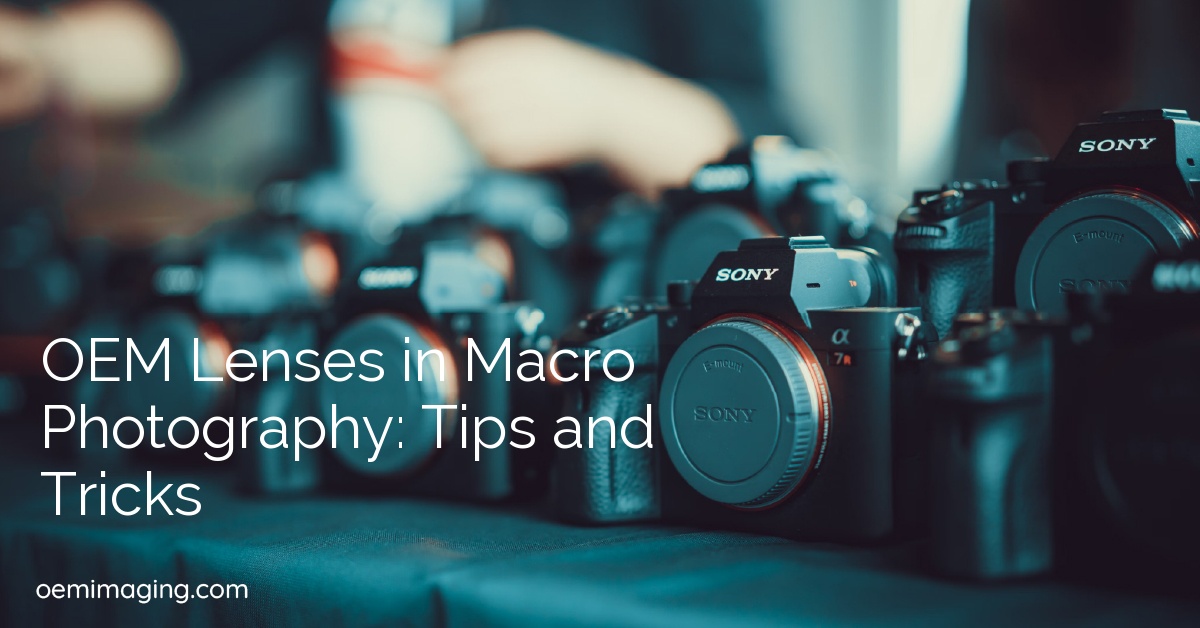
Macro photography is a captivating genre that allows us to explore the intricate details of small objects. It involves using lenses with high magnification to capture the microscopic world. When it comes to macro photography, OEM lenses are an excellent choice. They not only offer exceptional image quality but also provide compatibility with your camera system. In this section, we will delve into the benefits of using OEM lenses in macro photography and share some valuable tips and tricks to enhance your macro photography skills.

Equipment for Macro Photography

When it comes to macro photography, having the right equipment is essential. While dedicated macro lenses are the ideal choice, they can be quite expensive. However, there are alternative options that can help you achieve macro magnification without breaking the bank. Let’s explore some of the equipment options you can consider for your macro photography needs.

1. Lens Reversing Rings

Lens reversing rings are a cost-effective accessory that allows you to mount your lens in reverse on your camera body. This technique effectively transforms your regular lens into a macro lens, enabling you to capture stunning close-up shots. Reversing rings are available in various sizes to suit different lens diameters, making them a versatile option for macro photography.

2. Extension Tubes

Extension tubes are another popular accessory used in macro photography. These tubes are placed between your camera body and lens, effectively increasing the distance between the lens and the image sensor. By doing so, extension tubes allow for closer focusing distances and higher magnification, enabling you to capture intricate details of small subjects. They come in different lengths, allowing you to choose the level of magnification that suits your needs.

3. Close-Up Filters

Close-up filters are a convenient and budget-friendly option for macro photography. These filters are screw-on attachments that act as magnifiers, allowing your lens to focus at closer distances. Close-up filters come in different diopter strengths, indicating the level of magnification they provide. They can be stacked together for even greater magnification, offering versatility in capturing macro shots.

Equipment Pros Cons
Lens Reversing Rings – Cost-effective
– Versatile
– Transforms regular lens into macro lens
– Manual focus
– Limited control over aperture
– May need additional accessories for lens stability
Extension Tubes – Cost-effective
– Allows for closer focusing distances
– Retains lens functionality
– Reduces maximum aperture
– May require manual focus
– Requires careful handling to maintain electrical connections
Close-Up Filters – Budget-friendly
– Easy to use and carry
– Can be stacked for increased magnification
– Decreases image quality
– Limits working distance
– May cause vignetting

With these equipment options, you can explore the exciting world of macro photography without the need for a dedicated macro lens. Experiment with different techniques and accessories to capture stunning close-up images and reveal the intricate details of your subjects. Remember to practice and fine-tune your skills to unlock the full potential of your macro photography equipment.

Advantages of Extension Tubes in Macro Photography

Extension tubes are a valuable tool for macro photographers, offering several advantages for capturing stunning close-up images. Here are some key benefits of using extension tubes in your macro photography:

Increased Magnification

Extension tubes allow you to achieve higher magnification levels by extending the close-focusing limit of your lens. These tubes fit between your camera body and lens, effectively increasing the distance between the lens and the camera sensor. This additional distance enables you to get closer to your subject and capture more intricate details.

Cost-Effective Solution

Compared to dedicated macro lenses, extension tubes are a more affordable option for macro photography. Instead of investing in an expensive lens, extension tubes can be used with your existing lenses to achieve macro magnification. This cost-effective solution is especially beneficial for photographers who want to explore macro photography without breaking the bank.

Retains Lens Functionality

One of the advantages of extension tubes is that they retain the full functionality of your lens. Autofocus, metering, and other features are preserved, allowing for a seamless shooting experience. This means that you can easily switch between macro and regular photography without the need to remove the extension tubes.

Overall, extension tubes offer a versatile and budget-friendly solution for macro photography. With their ability to increase magnification, cost-effective nature, and preservation of lens functionality, they are a valuable tool for capturing the intricate details of the macro world.

Advantages of Extension Tubes in Macro Photography
Increased Magnification
Cost-Effective Solution
Retains Lens Functionality

Tips for Shooting Macro Photography

When it comes to capturing stunning macro photography shots, it’s important to keep a few key tips in mind. These tips will help you enhance your skills and make the most out of your macro photography sessions. Let’s dive in.

1. Use a Tripod

Macro photography requires a high level of precision and stability. To achieve sharp and detailed images, it’s recommended to use a tripod. This will minimize camera shake and allow you to focus on composing your shot without worrying about holding the camera steady. Additionally, a tripod with a 90-degree arm can provide flexible positioning options, particularly when shooting subjects at ground level.

2. Control Depth of Field

In macro photography, depth of field plays a crucial role in determining the focus and sharpness of your subject. To effectively control depth of field, use a smaller aperture (higher f-stop value) to increase the area of your image that appears in focus. Experiment with different aperture settings to achieve the desired level of sharpness and background blur. Keep in mind that smaller apertures may require longer exposure times, so adjust your shutter speed accordingly or consider using a remote shutter release to avoid camera shake.

3. Find the Right Lighting

Lighting is key in macro photography as it can significantly impact the mood and details of your images. Natural light is often preferred for its soft and diffused effect. Consider shooting outdoors on a cloudy day or positioning your subject near a window to take advantage of natural light. Alternatively, …

The Intersection of Art and Science: Unveiling the Secrets of Glassblowing and Scientific Glassware

The Intersection of Art and Science: Unveiling the Secrets of Glassblowing and Scientific Glassware

Glassblowing is an ancient art form that combines heat, tools, and color to form captivating objects of beauty and function. This craft, practiced for thousands of years, reveals new techniques and possibilities every day. Glass artists display their innovation and expertise for the world to see. From lampworked and handblown pieces to kiln-formed and cast objects, glassblowing has evolved into a complex mix of artistry and science, allowing users to create unique, customized pieces for their homes or businesses.

In the hands of a skilled and experienced artist, glass can be transformed into objects ranging from delicate trinkets to breathtakingly intricate sculptures. From colorful mosaics and sculptures to jewelry and glassware, bespoke glassblowing combines chemistry, craftsmanship, and personal creativity to unleash limitless possibilities. With the right guidance and dedication, creating glass objects of all shapes and sizes is possible. This provides a mode of expression unlike any other and offers countless opportunities for personal growth and enjoyment.

An Age-Old Art Form: Glassblowing

Glassblowing has been an art form for thousands of years. Today, skilled artisans can create intricate pieces, allowing them to express their creativity and show off their technical expertise. Through techniques such as slumping, engraving, and staining, glassblowers can tailor their creations to whatever they’d like – with options ranging from ornate art to everyday accessories.

Glassblowing is not easy to master. Skills and knowledge must be obtained to create consistent and aesthetically pleasing pieces. Nonetheless, many glassblowers are eager to learn more about the craft and challenge themselves to create increasingly intricate items. To that end, glassblowers must commit themselves to a rigorous apprenticeship to become proficient at the craft.

Glassblowing’s creative and technical aspects attract many art-loving individuals, who are a bit of an alchemist at heart. With just enough heat, they can transform sand and other raw materials into works of art with fine details. Artists who embrace glassblowing often strive for excellence in their craft, producing the highest quality pieces. Each piece takes a vast amount of time, practice, and patience.

Material selection and technique play a vital role in determining artwork quality. The materials used must be carefully chosen and handled properly to achieve the desired results. Additionally, artisans must also familiarize themselves with glassblowing techniques. By mastering these techniques, a glassblower can create things of beauty.

Glassblowing is an art form enjoyed by everyone, from the casual hobbyist to the veteran. While the art is difficult to master, it is still rewarding to learn the craft and create stunning pieces. If you’re looking to try glassblowing, ensure you have the necessary materials and tools. Remember the time, dedication, and focus it takes to become a skilled practitioner.

The Science Behind Glassblowing

To create customized scientific glassware, glassblowers rely on a deep understanding of heat, optics, and chemistry. Heat is used to shape the glass, whereas optics determines the different properties of the glass, such as refraction, reflection, and absorption. Chemistry can affect glass behavior, causing color changes or texture. The careful application of this knowledge in glassblowing renders incredible scientific precision, ultimately producing customized pieces that can be used in various research and development fields.

In this craft, artistry does not come without careful technical skill. A master glassblower needs superior control over the temperature of their work environment. This could be a furnace, blow pipe, or even the atmosphere within their work area. This not only affects the glasswork outcome, but often requires the glassblower to develop additional, specialized equipment to meet their needs. Glassblowers must also be fluent in the composition and behavior of different types of glass, as the properties of each material can ultimately determine the success of their projects.

Aside from glassblowing’s technical side, creating custom medical glassware also requires an artistic eye. Glassblowers must decide which colors should be used in each project. They must design the finished shape of each piece, and envision the end result. Unique and intricate designs can be achieved by combining painterly techniques with scientific nuances of temperature and chemistry.

The delicate balance between artistic creativity and scientific knowledge enables glassblowers to craft precise and aesthetically pleasing glass pieces. It is clear to see the skill and complex knowledge required to create intricate scientific glassware. Glassblowing is not only an art form, but also a science rooted in precision, innovation, and creativity.

The Intersection of Art and Science: Glassblowing as a Illustrative Example

Glassblowing is a remarkable example of the blending of artistic and scientific disciplines – though often thought of as disparate fields, glassblowing illustrates how these two areas can intersect and mutually enhance each other. Complex creativity is essential for many glassblowing projects, but this must always be balanced by scientific precision that results in functionally impressive, aesthetically pleasing products. Together, art and science converge to produce unique glass creations that are marvelous to behold and practical.

Each piece of glass created by a glassblower is a miniature, transient masterpiece. It takes tremendous skill and discipline to craft, for instance, a delicate goblet that exhibits an even finish with no air bubbles or surface blemishes. This is a feat that requires both artistic expertise and a delicate touch. Yet, the same scientific principles used to create the goblet could be used to manufacture flasks or bongs. In both cases, the level of craftsmanship and focus is the same.

The seemingly disparate paths of art and science can be seen as two sides of the same coin – both imbued with the same level of respect and dedication, and working together to create a synthesis. This marriage of two of humanity’s most respected disciplines can be seen in a particularly fine example of glassblowing. With every glassblowing project, there is beauty to be found in the distinct fusion of creativity and precision.

Innovation and Personalization in Glassblowing

The Evolution of Techniques

Glassblowing has seen an immense revolution in experimentation and personalization due to technology advances. Glass art, enameling, and flameworking are all techniques perfected over the years. They are now …

Save Time and Money: Efficient Property Management in London

Save Time and Money: Efficient Property Management in London

As a landlord or property owner in London, it can be daunting to stay up to date with the ever-evolving property market. With numerous legal and regulatory requirements, property management is essential.

This is to ensure your time and money are put to efficient use. An efficient property management system can help property owners compound their investments, providing them with peace of mind and the knowledge that their assets are being taken care of.

By implementing an effective property management system, property owners will see benefits immediately and over time. Some of these include quicker resolution of tenant disputes, faster efficiency in unoccupied property repairs, frequent and transparent communication with tenants, and improved tenant satisfaction.

With a well-managed property, landlords can rest assured that their investments are in good hands, allowing them to focus on other areas of their business. Property Management London services can reduce expenses, resulting in higher landlord returns.

Maximizing Investment Opportunities with Property Management

Real estate is an asset class that can be highly lucrative when managed well. Property management is essential for owners to capitalize on their investments and take their portfolios to the next level. With skilled property management services, property owners can significantly simplify their management duties while also maximizing returns.

Tenant Screening and Rent Collection

One of the most important aspects of property management is tenant screening and rent collection. Property managers are adept at thoroughly vetting potential tenants. This can include running background checks, verifying employment and rental histories, and credit checks.

Property managers also provide an effective organizational system for collecting rent payments. This can keep owners up to date on payment status, reduce delinquencies, and ensure timely funds remittance.

Maintenance and Eviction Services

Property managers also keep properties in pristine condition. This may involve coordinating preventative maintenance, handling requests from tenants, and overseeing repairs to ensure they are safe and comfortable. In addition, seasoned property managers can provide expert legal advice regarding tenant-landlord disputes and evictions, something that can often be difficult to navigate alone.

Portfolio Optimization and Asset Management

Finally, experienced property managers can help owners optimize their portfolio performance by weighing a variety of factors. They can also select the approach that best meets their investment goals.

By considering market conditions, portfolio diversification, and tax implications, property managers can help owners structure their assets optimally. With the right property management services, owners can maximize their returns and get the most out of their investments.

Property Management Services in London

Property management companies offer invaluable services to renters and property owners in London. From residential and commercial property management to property consulting, marketing and real estate management, the range of services available to optimize efficiency and maximize returns for property owners is extensive.

Maximize Residential Property Management

London’s property management options include residential property management. This encompasses everything from tenant selection and tenancy agreements to preventative maintenance and complaint resolution.

Experienced and knowledgeable property management teams handle rental collections, inspections, and lease renewal contracts. This is to ensure landlords’ interests are protected and income streams are uninterrupted.

Commercial Property Management

Commercial property management is unique. Property management companies take responsibility for all aspects of the management and operation of commercial properties. This includes services such as cash flow and budgetary management, arrears assessment, and compliance with local regulations.

Working together with specialists such as lawyers, accountants, and insurance providers, property management companies can ensure that all aspects of the property are fully optimized and operated with maximum efficiency.

Property Consulting, Property Marketing, and Real Estate Management

On top of these core services, property management companies also offer property consulting, property marketing, and real estate management. Consulting services allow property owners to evaluate their property, develop a strategy, and make business decisions based on reliable and up-to-date advice.

Property marketing helps property owners access new distribution opportunities and reach a wider audience. Real estate management provides an integrated set of services for property owners ranging from negotiation, analysis, administration, and reporting.

The comprehensive range of services available to property owners in London makes it an attractive proposition for both tenants and landlords. Property management companies are expertly placed to handle all property-related needs, enabling landlords and tenants to enjoy this efficient, organized, and thorough service.

Property Management Challenges in London

Navigating the complex legal and regulatory framework is one of the biggest challenges faced by property managers in London. With multiple jurisdictions and ever-changing legislation, property managers must ensure they are up-to-date with current legislation to deliver efficient and effective property management solutions.

Additionally, experienced property managers must know how to manage different types of property, including leased land and commercial real estate. This involves understanding the specific needs of each tenant and applying the relevant legal framework to ensure all parties remain protected throughout the tenancy. Complex situations can often arise and arise, requiring a knowledgeable and experienced property manager to ensure the best outcome.

Finally, tenant complaints and disputes are key issues for property managers. Property managers have a duty of care to both tenants and landlords. In order to maintain a balanced approach, one must mediate disagreements and resolve complaints.

Knowing the relevant legislation, including the Consumer Rights Act of 2015, and developing effective tenant-management solutions are critical to ensuring a successful tenancy.

Good Solutions in Property Management

Finding effective solutions to property management in London requires a blend of skills, knowledge, and experience. At its very core, it requires an understanding of the applicable laws and regulations, and applying them to specific situations. Property managers must also be able to assess the situation and develop solutions suitable for both the tenant and landlord.

Examples of Good Property Management Practices

Good property management practices revolve around proactively responding to tenant requests and complaints. They ensure the relevant legal framework is adhered to when delivering property solutions, and demonstrate an understanding of tenant and landlord needs.

Communication is the key to effective solutions. Property managers must listen to feedback and concerns and respond promptly. It is also …

Patient Centricity in Clinical Trials: Best Practices for Improved Outcomes

Patient Centricity in Clinical Trials: Best Practices for Improved Outcomes

While clinical research has come a long way in recent years, a trial design still has several hurdles. One of these involves patient centricity.

What steps can pharmaceutical firms take to ensure patient voices are heard while still achieving desired results? Let us look at this question in much more detail.

Patient Centricity and Clinical Trials

First, define patient-centricity. As the term suggests, this concept involves molding clinical trial design around the needs of participants. The primary goal is to encourage participant participation while meeting recruitment targets.

However, patient-centric approaches also have psychological components. By ensuring a positive overall participants experience, the clinical trial is more likely to result in a positive outcome for both participants and clinicians. (1)

As mentioned previously, this strategy can also help increase patient recruitment statistics because trial participants are more likely to relate to positive encounters with others (such as potential candidates for a drug development campaign).

What Challenges Do Pharmaceutical Companies Face?

Research sites that perform clinical studies face two main obstacles to patient engagement (2):

  • The online medical community has now caused many to opt for self-treatment instead of consulting with a professional; resulting in less demand for specific pharmacological products.
  • Clinicians often cannot communicate with the patient population in understandable terms.

It is now clear to see that clinical trials must adopt a more proactive and “human” mentality sooner rather than later.

Five Ways To Improve Patient Centricity In Clinical Trials

As a result, there are many approaches to ensuring higher patient engagement. These should address pre-trial screenings, trials, and aftercare concerns. Five useful recommendations are listed below (3):

  • Including the patient in important decision-making processes.
  • Streamlining onboarding programs to ensure higher recruitment levels.
  • Curating content (such as the description of a certain drug) that can be understood by participants.
  • Recognizing and supporting any other health concerns patients may have during the trial.
  • Offering additional follow-up consultations and encouraging patient input at every stage of the trial.

The results of these efforts can be broken down into a handful of advantages. First, an increased degree of clarity will reduce patient burden (the possible impact of a trial on unrelated aspects of its participants’ lives).

Secondly, a greater degree of patient education will likely result in fewer questions when providing informed consent. In other words, fewer participants will “back out” of an upcoming trial.

Perhaps most importantly, appreciating the patient’s perspective is an excellent way to increase the chances that the clinical trial process will be followed and that participants adhere to the associated guidelines. This is obviously crucial when evaluating and interpreting post-trial outcomes (4).

The Evolving Role Of The Patient In Clinical Trials

To be clear, patient-centric trials are nothing new. Most industry experts agree that its roots can be traced back to studies associated with the AIDS epidemic of the 1980s (5). The main difference is that participants have greater access to information than ever before. Therefore, clinicians will need to adopt an approach that is accommodating and engaging while still focusing on overall accuracy.

Patient Centricity: A Goal For Clinical Trials?

It only stands to reason that obtaining patient input is one of the most effective ways to ensure clear trial results (regardless of the exact outcome). Furthermore, research sites capable of hearing their patients’ voices are much more likely to obtain the required number of participants.

Although pharmacology continues to advance at a breakneck pace, it is equally crucial to remember that the patient experience is just as relevant. We can now appreciate why the medical community places a lot of importance on patient-centricity.

Sources:

  1. https://www.tigahealth.com/why-is-patient-centricity-important-in-healthcare/
  2. https://innovara.com/patient-centricity-challenges-and-solutions/
  3. https://www.smartpatient.eu/blog/digital-patient-support-pharma-s-5-steps-to-patient-centricity
  4. https://www.medidata.com/en/life-science-resources/medidata-blog/how-patient-centricity-benefits-patients-clinical-outcomes-and-drug-development/
  5. https://clariness.com/a-short-history-of-patient-centricity/

Streamline Your Layered Process Audits with Innovative Software Solutions

Streamline Your Layered Process Audits with Innovative Software Solutions

With the business market being as competitive as it is today, maintaining consistency in quality and efficiency in business processes has become more crucial than ever. For this, many organizations are turning to layered process audits (LPA’s), which have proven superior to traditional scheduled reviews and audits.

Layered audits are especially effective at identifying shortfalls in processes and driving continuous improvement across all levels of organizations.

However, with all the paperwork and participation required, layered process audits can be quite cumbersome. It is, fortunately, possible to automate the entire process with various LPA software.

With the right LPA system, you can perform process audits in a fraction of the time, using fewer resources. Wondering how you can use software to streamline your layered process audit? Here is all you need to know.

What is a layered process audit?

Layered process audit (LPA) is a type of audit that focuses on observing and validating critical manufacturing processes (the way products are made) rather than examining the finished product. This way, quality management teams can make improvements to processes in real time. They can also identify issues and rectify them at the source.

Being a layered process, an LPA usually requires the participation of management personnel at various levels of the organization. This includes everyone from internal auditors and department managers to individuals in top management.

These individuals will be required to perform frequent, checklist-based internal audits to ensure that the right protocols are followed at all production levels (layers).

To reduce administrative busywork, most organizations are digitizing their process audit management systems using layered process audit software.

Let’s delve more into this.

What is layered process audit software?

Layered process audit software is a digitized tool used by supervisors, quality managers, and other relevant personnel to help them perform layered process audits.

Most of these programs are designed to be user-friendly. By reducing paperwork, the process can move faster and produce better products. Thanks to digital transformation, we even have mobile app versions that you can access from your mobile device and do audits offline.

Benefits of layered process audit software

Here are some benefits you can gain from using an LPA program.

  • They can automatically generate audit reminders and schedules for various audit layers, such as inspectors, operators, managers, engineers, supervisors, and top management
  • They can create, manage and import LPA audit checklists for multiple audit layers
  • They allow the user to conduct audits while on the go through mobile app versions of the software
  • They allow the user to conduct audits offline. You can then sync with the system when you get back online
  • They can send out notifications for audit reminders and schedules to improve compliance and encourage accountability by team members
  • The dashboard presents real-time information about ongoing processes, eliminating the need for manual entry
  • Users can take pictures and attach them to document a non-conformance
  • Issues that are logged in can be immediately accessed and viewed by management and other relevant parties
  • They can analyze and spot trends, show how often an issue recurs, and showcase performance over time
  • Saves time and paper since all the information can be captured on your mobile device
  • They help with quality control by monitoring inconsistencies in production processes

How to implement layered process audit

Here are the fundamental steps you should consider when implementing a layered process audit in your organization.

  • Assemble a team – Your first move should be establishing who will be part of the audit team. Be sure to include personnel from each layer of the process that you are auditing. It is also important that you select people who are familiar with the process and can identify areas needing improvement.
  • Identify process layers – Determine the different layers of the production process you are auditing. Ensure that you distinguish each layer from the others. For instance, a manufacturing process can have 4 layers: raw materials, manufacturing, packaging, and distribution.
  • Set guidelines for the audit – You’ll need to set guidelines for each individual layer of the process, addressing the various aspects within that layer. For best results, you may also want to create an audit checklist for each layer to ensure that guidelines are followed during the audit.
  • Perform the layered process audit – Usually, audits start by reviewing the checklist and relevant process flow diagrams. The auditor should then observe every step in the process, making sure they are done according to specifications. They should note any inefficiencies or deviations in the process from the normal way of doing things.
  • Analyze the findings and implement corrective action – Once the audit is done, the auditor should analyze the findings to establish whether there is a need for corrective action. They should then bring it up with management to plan how corrective action will be implemented.

There’s no denying the contribution LPAs have made to quality management systems. In addition to cost reductions, they’ve achieved a structured framework, which ultimately helps improve quality, safety, and efficiency in business processes. With this, you can almost guarantee customer satisfaction.

However, to really capitalize on and manage the complexity of LPAs, you are going to need comprehensive LPA software like mQuest Audit. By digitizing these procedures and checklists, you can increase the efficiency of the audit while reducing downtime and non-conformance. It will also allow for real-time tracking, alerting you to a non-conformance the moment it’s detected.

Increase Clinical Trial Enrollment with These Strategies

Increase Clinical Trial Enrollment with These Strategies

Clinical enrollment is the procedure for convincing a patient to participate in a medical trial. The subject would then adhere to the clinical study protocol after being enrolled as a patient. In order to improve the possibility that the trial questions will be answered, clinical studies are planned to enroll a specific number of individuals.

Clinical trials are medical experiments conducted on a small population prior to being released to the general public for the sole purpose of following their effectiveness and solving a problem.

In order for all populations to benefit from scientific advancements, clinical trials must involve participants with a variety of lived experiences and living circumstances. This includes traits like color and ethnicity, age, sex, and sexual orientation.

Clinical trials are diverse as a result of these factors. This is done in order for all populations to benefit from scientific advancements.

Fda’s View

In clinical research, individuals from varied racial and cultural backgrounds are underrepresented. This is concerning since various age groups, races, and ethnic groups may respond differently to particular medical items. The FDA promotes clinical trial enrollment by people of all backgrounds.

Some of the challenges experienced during clinical trial recruitment are:

It is difficult to convince a large enough sample space because people have a lot of mistrust for their bodies, especially when it comes to their health. This could be due to the lack of awareness of the value of clinical trials.


Time and resources allocated to recruiters could also be insufficient leading to little recruitment.
Language barriers, especially in minority populations could be a huge hindrance.

The following are ways you can improve your recruitment strategies to optimize patient recruitment and consent rates:

  • This may appear to some as a manipulative technique but people are more likely to take a risk-seeking approach whenever their decisions are framed as an opportunity to avoid a certain loss rather than a chance to increase a particular gain. Therefore when doing clinical trial recruitment, recruiters can use this while speaking to people to make them more willing to accept the trial.
  • People with a particular problem would be potential participants in a clinical trial related to their illness. This will yield a large number of participants since many people want to get healed. All you need to do is identify a place or site where people with an illness related to your trial could go for help and leave your contact behind. A good example would be a pharmacy. Just ensure you explain to these people that it is for clinical research to get their consent.
  • To counter mistrust as a barrier to clinical trial enrollment, recruiters could try and form a camaraderie with patients. This can be done by connecting with them and being with them every step of the way during their trial participation. This could skyrocket patient enrollment rates.
  • Another effective recruitment strategy would be to think and act from a patient perspective. Listen and do what patients suggest rather than allowing recruiters to do everything for you. Take a systematic review of patient feedback. As a result, patients feel more in control, making them more inclined to participate in clinical trials in the future and to tell others about them.
  • Identify the gaps among patients by listening to or reading what they say online through social media apps. This way, when in need of a sample space of people for clinical trials, it will be easier since you already have eligible patients.
  • If we do not learn from history, then it is bound to repeat itself. That is why as a recruiter, you need to be familiar with past clinical trials. Therefore, you’ll be able to implement those that work and get rid of those that don’t.
  • Virtual engagement also increases the number of clinical trial participants since a patient is free to go about their duties without feeling tethered to the clinic or academic hospital. It also serves to massively lower the financial burden of recruiters since they do not have to travel up and down looking for potential patients anymore.

Minority underrepresentation

Minorities are underrepresented in clinical trials due to poor net hospital state (low-quality healthcare services), language/transportation barriers, and misconduct during research. Ethnic minorities are genuinely more difficult to reach or convince thus their underrepresentation.