Leah Thorpe

What’s the Best Focal Length For Product Photography?

What’s the Best Focal Length For Product Photography?

When it comes to lens choices and focal lengths for product photography, many people often find themselves lost in the ocean of information that is available to them. The focal length of a lens is actually one of the first choices you’ll have to make when choosing a camera, and many times photographers don’t know the answer to this important question. The optical focal length refers to the distance between the center of the lens and the focal point of the image. If you want a camera with the ability to focus on the object without having to shift the camera itself then you’ll need to find a lens that has a longer optical focal length.

For years digital cameras and even camcorders have been offered by the manufacturer with different focal lengths, some much longer than others. Most of the time the shortest focal length is the shortest amount of time that you can take a photo without having to turn your camera around. This can be a problem because if you’re using the shorter focal length, while you might be able to get more subject, you might also have to move your camera farther away from your subject which makes it difficult to compose the photo once it’s taken. Choosing the best focal length for product photography means focusing less on the distance between the lens and the focal point, and more on the width.

The optical zoom on a camera is actually only necessary when you’re using a wide angle lens. If you’re using a lens with a short optical zoom then the camera will be able to get an image with a greater amount of dimension because it can cover a larger area without having to turn your arm or click the shutter release button too quickly. So although the optical zoom is a handy feature to have, it’s not a requirement.

So how should you approach what’s the best focal length for product photography? You need to make sure the distance between your subject and the background is consistent. If it’s out of sync, the entire frame of your shot won’t be in focus no matter how much space is involved. If you need to change the distance of a foreground subject to fit into a wider space, then you’ll need to use a wide lens.

What’S The Best Focal Length For Product Photography

The rule-of-thumb is to avoid the focal length being too long or too short. Of course this also depends on the subject that you’re using. For example, a long distant tree with a foreground character may require a longer lens so it’s in focus. A bright flash in the center of the frame will require a smaller lens to keep the image in focus. And so forth. Don’t let your focal length be a problem because it will affect everything else.

Remember that it’s not just the focal length that matters but also the distance between the two objects in focus. Distances can either be wide or narrow. When you’re choosing the focal length, always remember that a wider focal length will make the picture look bigger and a narrower focal length will make the picture appear more natural. So don’t make the mistake of thinking that the shorter the focal length, the better it is.

Of course, there’s more to it than what’s the best focal length for product photography. You need to remember that the subject of your shots needs to be in focus. And of course you need to be comfortable shooting your subject.

A lot goes into product photos, but those few basic tips should help you get started. Keep practicing. See some examples of other work by other artists. If you find that you are struggling, have someone else take a look at your work. Focus on what’s wrong and work on those areas until you improve your skills.

What OEM Means, What Aftermarket Means

What OEM Means, What Aftermarket Means

What OEM means, for those of you who don’t know, is an original equipment manufacturer. It is the manufacturer that manufactures the products that come out of a company, and is often the manufacturer that produces a majority of products that end up being sold to retailers. Original equipment manufacturers do not have an exclusive license to make a product, but rather the right to sell it. This right can either be sold in a store or online. When they sell online, they receive much less commission than what you would pay at a brick and mortar location.

The most common original equipment manufacturer is a Chinese company called ALife. If you are trying to find an Alife CD ROM drive, it can be bought online at Amazon for a very cheap price. This drive is actually an OEM drive, meaning it is from the original equipment manufacturer. If you try to buy one at a retailer such as Best Buy or Circuit City, chances are that you will be charged the full retail price. There is one main reason why the retailer will ask for this price, and that is so they can make more sales!

When OEM means Original Equipment Manufacturer, what it really means is that the product itself must meet the specifications of the Original Equipment Manufacturer. For example, if it says “Alive” on the box, it means that it meets all the standards of OEM, as there is only one company that makes these drives, and only one that sells them. If you see “Alive Orange” or “ordable Yellow” on the box, it is aftermarket parts, and the product does not meet any of the standards of the OEM. This is what ” AFTERMAX” means. It is the aftermarket manufacturer that will be able to tell what it means and what it refers to.

There are three main criteria used by manufacturers when determining what products are considered ” AFTERMAX” by them. These are the product’s safety, quality, and value. If a product can’t do what the original equipment manufacturer intended it to do (for example, it stops working after a certain number of miles), or it causes an unreasonable risk to people or property, it will be considered unworthy of the name Aftermarket. This doesn’t just apply to newer products, either. Newer technology may also be considered unworthy of the brand name.

What Oem Means?

For example, if there has been no published studies or research conducted on what oem part is best for snow, ice, or wind resistance, then it would be pointless to purchase that part. Same goes for if you are looking for aftermarket windshields for your car. The same goes for aftermarket motorcycle parts and aftermarket wheel repair kits. In many cases, it is not what an OEM part has to offer, but what someone else has to offer that dictates what an item is considered an OEM-quality product.

So what is the difference between and OEM and an aftermarket windshield? The answer to this question varies from vehicle to vehicle, but the most common reason why OEM glass is considered to be better than aftermarket glass is because the original equipment manufacturers carry a warranty on their products. Original equipment companies stand behind their products so they have a legitimate reason to sell them at more expensive prices than what is available through aftermarket companies.

Another reason why OEM is considered to be better than aftermarket glass is that OEM auto glass is made out of the same material as the OEM windshield glass. This allows for a seamless connection between the two products. What is the difference between an OEM and an aftermarket windshield glass? It is actually very minimal in most instances.

However, there is one major difference that can occur with what is known as aftermarket glass. This glass is often not approved by the manufacturer, meaning it has not been made to the same specifications as what an OEM windshield is made out of. Many aftermarket products are not made with the same care and precision as the OEM products so there is a great chance that you could encounter some problems with your aftermarket glass. You also run the risk of damaging your vehicle if you were to accidentally hit it against aftermarket products. In many instances, this glass can lead to the failure of an auto glass.

Should I Buy OEM Products?

Should I Buy OEM Products?

Why are OEM products so expensive? What’s the big deal about buying OEM products when you can buy them for a fraction of the cost? It has nothing to do with quality. If you compare the prices of the branded counterparts to the manufacturer’s product, you’ll see that the latter is much more costly. In fact, the price gap between branded and generic products is so wide that it’s hard to believe that they charge so much.

What makes OEM products so much more expensive is their superior manufacturing process and materials. You don’t have to worry about working with a company that will sacrifice quality just to cut the cost. All you need to do is look for branded products and accessories and you’ll definitely get better quality in return. It would be easy to assume that all OEM products are of the highest quality available; the truth is that not all manufacturers live up to the claim they make about their products. You’ll only end up wasting money on inferior products if you don’t know what you’re looking for.

If you want to know how are OEM products worth spending your money on, the first thing you need to consider is the price. Of course, there are always exceptions but most leading brands have pricing structures that will force you to think twice before you make the purchase. There are always exceptions to these rule and it would be unfair to say that some OEM devices are always more expensive than others. You need to read the fine print on warranty, consumer reviews and other product details to find out what the going price is for the model you’re looking at.

One thing you have to remember is that you should never sacrifice quality for price. If you don’t want to spend more money, you shouldn’t necessarily think that you have to. You can still get high quality devices at low prices if you’re willing to look hard enough. There are a number of ways to save money and you shouldn’t let the cost of the device be one of them. Some of the best devices on the market are offered at very affordable prices because they offer some fantastic features along with great customer service.

Are Oem Products Worth Buying?

Whether you’re buying a new computer or a printer, there are some things you’ll want to look for when you decide are OEM products worth your money. The first thing you’ll want to consider is whether you’ll be able to get technical support from the company. You should be able to easily contact them and get your questions answered in a timely fashion. If you have any questions about the product, the manufacturer should be able to answer them or point you in the right direction.

The next thing you’ll want to consider is the reputation of the manufacturer. This can be an indicator of how reliable the product is as well as how long the company has been in business. Most consumers don’t want to spend their money on products that aren’t going to last or that are sub-standard. Look for reviews and testimonials that will help you determine if the manufacturer really does care about their products and is dedicated to providing you with the best customer service possible. You can always find this information online so it’s worth looking for as well.

Once you’ve found a few good companies, you’ll want to start comparing different models. The best way to do this is to read consumer reviews so you’ll know what other people think about the products you’re considering. You’ll also want to read about the warranty, return policy, technical support, and additional services that you’re getting with the product. It’s important to know whether or not these are all included with the item or if you’ll need to purchase them separately. Remember, if you’re getting a used computer you’ll probably want to think about buying accessories as well, such as mice, keyboards, and monitors.

Before making your final decision, it’s important to consider the quality of the manufacturer as well. If you’re buying from one of the big brand names, you’ll have no problems finding quality products. However, most small companies struggle when it comes to producing high quality items. So it’s definitely a good idea to do some research before making your final buying decision.

What Focus Mode Should I Use For Portraits?

What Focus Mode Should I Use For Portraits?

Portraits have always been one of the most difficult photographic subjects to capture. It’s difficult because you have to keep your mind on the subject as you move from one portrait position to another, all the while trying not to get the focus wrong. This is even harder when using a fast shutter speed. However, if you use your camera properly, you can capture beautiful portraits with great focus.

The first thing you need to do when taking portraits is to make sure that you are in manual focus. If you are not already doing so, try switching to manual focus while the camera is still on auto focus. This way, you get more control over where your focus goes. Keep in mind that the object you are focusing on will be in your focal point, not your camera’s sensor.

If you think that you have the portrait right, take some more shots. Keep on practicing until you have the entire scene under control. Then, take another shot. Repeat the process as many times as you need until you feel like you are ready to move on to something else. Keep practicing until you are confident you have it down.

Now that you have mastered the art of taking portraits with the right focus, what focus mode should I use? There are a lot of different ones out there, but I personally prefer portraits with the background in the center and the subject in the foreground. This allows the viewer to see the true beauty of the subject without having to focus on the center. When taking landscape shots, keep this in mind.

What Focus Mode Should I Use For Portraits?

Some other great choices are spot light and flash. Depending on the lighting conditions, these can be great tools to help you capture the perfect image. However, depending on the lens you are using, sometimes the light itself is not enough to illuminate your subject. In this case, you may want to bring out the fog. Or maybe you want to bring out the smoke from the forest. No matter what the lighting conditions are, bring them into the foreground by using the right focal point.

As for the next step, the camera settings. First off, make sure you set the focus to manual. You do not want to fiddle around with the focus when you are taking the portrait. It can throw everything off and ruin the picture. Plus, if you accidentally move the focus from manual to automatic while taking the portrait, you will need to redo the portrait entirely.

If you need more help with your focus, there are a couple of other important things to keep in mind. First off, you always want to make sure that the distance between your subject and the center of the picture is the same. This is because when you move your camera from one point to another, your subject might be in front of the camera and behind it at another moment. To remedy this problem, just make sure that your focal point is relatively close to the middle of the picture and then move your camera a bit to fill in any gaps.

So now that you know what focus mode should I use for portraits? Practice! Try different settings on your camera until you find the best one for your portraits. Also, keep in mind that you need to compose the portrait so that it actually shows something about your subject. This is true no matter what type of portrait you are taking, whether it’s a headshot or a portrait of a person with many different features.

What Does Non-OEM Status Mean?

What Does Non-OEM Status Mean?

Many of you may be under the impression that what does non-oem parts mean is that they are inferior or less quality than OEM products. This could not be further from the truth. OEMs have spent significant amounts of time and money to design, develop, test and manufacture specific OEM products. So what does non-oem status mean?

Non-OEM parts are designed and manufactured by third-party companies. They often are made with better materials and in less expensive quantities than their OEM counterparts. However, what does non-oem status mean? In order to accurately determine what the difference between original and non-OEM parts is, one must compare them side by side. There are actually several differences between these types of parts.

Non-OEM parts are interchangeable. Contrary to what many believe, OEMs do not make parts that can be placed into any make, model or even configuration. Instead, the only things that can be duplicated with a part from an OEM are the physical specification and function. For example, a stereo system might need a compressor for its audio chips. However, it would not be possible to make such a chip (with a name like “stereo compressor”) for what is known as a ” clones radio controlled car.”

The term non-OEM status means something different when comparing what does oem status mean. It typically refers to a piece of equipment that was designed and manufactured outside of the original (OEM) manufacturer. These can be used in a variety of situations. While most people are familiar with what OEMs produce, they have not been so well informed as to what non-OEM parts look like or how they work.

What Does Non-Oem Parts Mean?

In the world of what does non-OEM status mean, it usually means that the item has been altered in some way. A “pure” (OEM) part might have been left exactly as it came, just as a “pure” (OEM) car would be. In order to get an item modified, an individual will need to either modify the part or replace it with a modified one. In order to truly understand what this means when it comes to what does non-OEM status mean, one needs to understand what modifying means.

Modifying an article refers to taking one part and putting it into another. This is just what it sounds like, and the modifications do not need to be extremely complicated or expensive. A common modding method is for a car’s hood to be replaced with a projector-style light and for the headlight casings to be replaced with fiberglass covers. In order to make these modifications, the original equipment manufacturer (OEM) parts and/or the distributor of the OEM parts will need to come together and make the necessary arrangements. They will then need to submit their modified parts and/or their distributors’ parts to the Original Equipment Manufacturer or OEM for approval.

What does non-OEM status mean to a buyer? The status can signify a wide range of things, from “standard” to “limited” production, from factory direct to dealer direct pricing. It also means that a product line is being “stalled,” what many call a re-launch. The status may also refer to a company going out of business.

The bottom line: what does non-OEM status mean to a potential customer? It means anything from OEM without any extras or bells and whistles. It also means that all components, parts, packages, et al are OEM. The customer can’t get anything special until they are pointed in the right direction via a direct manufacturer or distributor. Non-OEM status simply means that one doesn’t have the benefits of OEM support.

What Metering Mode Should I Use For A Wedding?

What Metering Mode Should I Use For A Wedding?

What metering mode should I use for a wedding? This is one question that often haunts the minds of couples who have just gone through the rigors of planning a wedding. The problem with asking this question, of course, is that it is not as easy to answer as it may first appear. This is because there are so many options available to a bride and groom as far as wedding metering is concerned.

A wedding day is a very special day for the bride and groom. This is their big day, their chance to create a day that they will always hold dear. In all of their dreams, they have always pictured themselves and their loved ones celebrating this special occasion. For a bride and groom, however, this particular wedding day will come at a very different significance. Because they are the main actors in the wedding plans, they must ensure that the events of the wedding day are in place and perfect before anything else.

One way that brides and grooms can achieve this is by using what is known as wedding day tracking. There are a number of programs that are designed specifically for the purpose of helping people track their progress during the wedding day. All of these programs can be used on any computer – even some laptops – thanks to advances in technology. In fact, these programs are so easy to use that many people forget that they are in fact using them for the purpose of planning a wedding. The fact that most people do not realize that they are tracking their wedding day using such programs is what makes them so useful.

However, a wedding day planner does not have to necessarily be someone who has access to computers. It is also important to remember that a manual wedding day planner can also be very useful. In fact, some people choose to take advantage of what is called “manual” tracking when they know that they will be able to work without the aid of computers. A manual wedding planner can include such things as journaling (this means writing down everything that is done) as well as listing (by room and by individual item).

What Metering Mode Should I Use For A Wedding?

Many brides and grooms wonder what metering mode should I use for a wedding. After all, it is vital for the success of any wedding event. The question, however, is not so much what metering is but rather what kinds of metering are best for each wedding. It is vital to consider several different factors when it comes to which metering method is best for a wedding. These factors include the length of the reception (how long it is going to take to drive from one end of the reception hall to the other), the table settings, how many guests will attend the party (and if some guests will need to travel to the party venue), what types of music will be played, who is going to play the music, and even who is going to be cooking (if you are having a catering service provide the food).

One thing that you might want to keep in mind is how to handle time when you are planning a wedding. If you have the luxury of hiring a wedding planner then it is likely that they will already know what to do, though most people who are planning their own weddings will want to handle things on their own. Of course, one of the first things that your wedding planner will tell you to do is what metering mode to use. Some people will want to use a simple system where all of the cars are assigned a certain mileage per hour. They can then monitor the time and make sure that everything goes according to plan. You may find that this works well for you, especially if you only have a few vehicles, or just want to be sure that everyone gets where they are supposed to be.

If you are still planning your own wedding and figuring out what metering mode should I use, then there are some other considerations that you will need to make. For example, if you are using a DJ, what type of music will he or she play? Will there be special songs or a special instrumental? In addition, will the band provide the sounds or will you have your own equipment playing? It may be a good idea to check with the DJ and see what their preference is for what metering mode to use. This way you know that they will be happy with your wedding and that your event will run smoothly and without any hiccups.

Now that you are ready to hire someone to plan your wedding, you should make sure that you ask some important questions as well. For example, what kind of experience does the person have in managing weddings? What type of equipment do they use to create beautiful weddings like yours? Will they show you pictures of previous weddings and what they have done? By following this advice, you will be able to choose what metering mode should I use for a wedding like yours and it will run smoothly.

What Is the Best Metering Mode For Portraits?

What Is the Best Metering Mode For Portraits?

When you take photographs, there are some things that you can do in order to ensure that you get the most out of the portrait shooting experience. One of those things is determining what is the best metering mode for portraits. If you aren’t familiar with the term, metering means to vary the speed of the camera so that the subject’s face will be in focus regardless of how fast the shutter speed is. So what is the best metering mode for product photography?

In reality, there really is no “best” metering mode for portraits. That would be impossible because every different type of product requires different types of settings to create an image. What you need to determine what is the best metering mode for your photos is dependent upon what you are trying to achieve with the image.

In most cases, when people think about which metering mode is best for portraits they are concerned with getting a fast shutter speed. They don’t usually think about what is the best metering mode for product photos. However, if you use a wide lens on your camera and utilize an automatic focus system, you will always want to have the camera set to manual focus. The reason for this is because you want to create a very tight separation between your subject and the background.

The best metering mode for portraits won’t help you in that situation. What you want to do is keep everything as close together as possible. The farther away those subjects are from you, the tighter you need to be. This holds true even when using a long lens. You want to keep everything as close as possible.

Which Metering Mode Is Best For Portraits

If you want to create the clearest picture, you are advised to use a fast shutter speed. As mentioned before, an automatic focus system will automatically adjust the shutter speed based on where your subject is in the frame. This is why you can use this metering mode regardless of what type of photography you are doing. You just need to make sure that the camera allows you to.

Your camera’s auto-exposure system is another important factor when it comes to what is the best metering mode for portraits. You must make sure that you leave enough exposure time so that even if you press the shutter button after a few seconds, your image will be well exposed. You don’t want to end up with a dark image because you pressed the button. In this case, you would need to increase the exposure time. If the image processing software that you use has an automatic focus feature, you should also increase the focal length until you are getting a good result.

The last thing that you need to keep in mind when it comes to what is the best metering mode for portraits is the white balance settings. This may seem like a simple setting to change but you have to be very careful with it. Because the color of the skin or the hair of your subject may change depending on the season. Therefore, the color of the images could also change. Instead of making your final decision based on the white balance settings of your camera, you should get an objective and reliable source to check it. You can ask your professional photographer for his recommendations on what is the best metering mode for portraits.

These are just some of the questions that will help you get the answers that you need regarding what is the best metering mode for portraits. Keep in mind that knowing the answer to all these questions will give you the freedom to take better photos. Knowing how to properly expose and focus the lens, knowing the white balance settings, and using the right image processing software will greatly improve your photography skills and give you a good start on what is the best metering mode for portraits.

What Is The Difference Between An Incident Meter And A Spot Meter?

What Is The Difference Between An Incident Meter And A Spot Meter?

When you are buying a home security system you may be tempted to purchase the most expensive home security system available, in the hope that this will provide you with complete protection. But, you should think again, and if you are not careful, you could end up spending more money on your new security system than you actually needed to spend. A lot of people buy security systems without fully understanding the capabilities of the products that they have purchased, and there are many instances where products work properly but customers cannot find a way to use them. One of the most common problems with security products is that customers need to know what is the difference between a spot meter and an incident meter. These two devices actually perform the same functions, but they work in slightly different ways.

Spot Meters are small devices which are usually very portable. These devices can be used to determine the severity of the threat which is currently present in any given area. They work by detecting movement or body heat which is detected in the area which the device is installed. Once an area has been determined to be safe, the spot meter will beep, and a green light will be displayed to let you know that the device is working properly.

You will never need to use a product such as this unless you have a burglar. There are a lot of situations where having this kind of product can mean life and death. If a security officer is ambushed by a burglar, he will most likely use a spotter to try to distract him so that he does not shoot the officer. Although the burglar may get away, the officer may still be injured or even killed. Therefore, it is very important for officers to be able to distinguish between a legitimate threat and an impeding danger. In this case, a spotter is very useful.

A spot meter is also a great thing to have if you want to check on your home’s ventilation systems. This type of product is especially important if you live in a humid area. If the humidity in your home rises above 100%, then a system to detect moisture will most likely be needed in order to eliminate the risk of mold growth. While this type of device will be more expensive than some other types of monitoring equipment, it is still fairly inexpensive and extremely valuable.

What Is The Difference Between An Incident Meter And A Spot Meter?

Another use for these products is at the prison where medical treatment is required. It is vital that prison wardens are able to keep an eye on the level of oxygen in any given area. Medical staff may also need to check on the food and water levels of prisoners. A spot check can save many lives each and every day. If you ever plan to buy one of these products for your home, then the information below should help you understand what is the difference between an incident meter and a spot meter.

In order to answer what is the difference between an incident meter and a spot meter, we need to take a look at what the two products do. First of all, a spot meter is designed to alert you to moisture or any other type of issue that may be occurring in your home or building. A spot device works in conjunction with an alarm system to ensure that the right actions are taken in the event of an emergency. The same concept is used in many fire alarms, as well as carbon monoxide detectors, to alert a building owner or family that there is a problem.

A spot product works by placing a metal strip or probe on the exterior of your home. If moisture or any other type of issue is detected, the probe will either turn red, or will activate the alarm. Before the use of this product, people had to rely on home security systems to alert them to an issue, which often times resulted in false alarms or simply did not work. Most home security systems can also only detect smoke or water damage, not fire or other types of damage. By using an incident product, you can not only find water leaks or other issues in your home, but can also use the alarm to turn off the security system and notify you directly of the problem.

So, if you want to know what is the difference between an incident meter and a spot meter, it is important to understand that a spot meter simply alerts you of potential moisture or water issues in your home, while an incident meter measures the proximity of the probe to the source of the alarm. This may seem like a simple distinction to make, but it can mean the difference between having an undetected issue in your home or simply buying a home alarm system that does not work as well as it should. Because of this simple fact, most home security systems include both types of meter for added functionality.

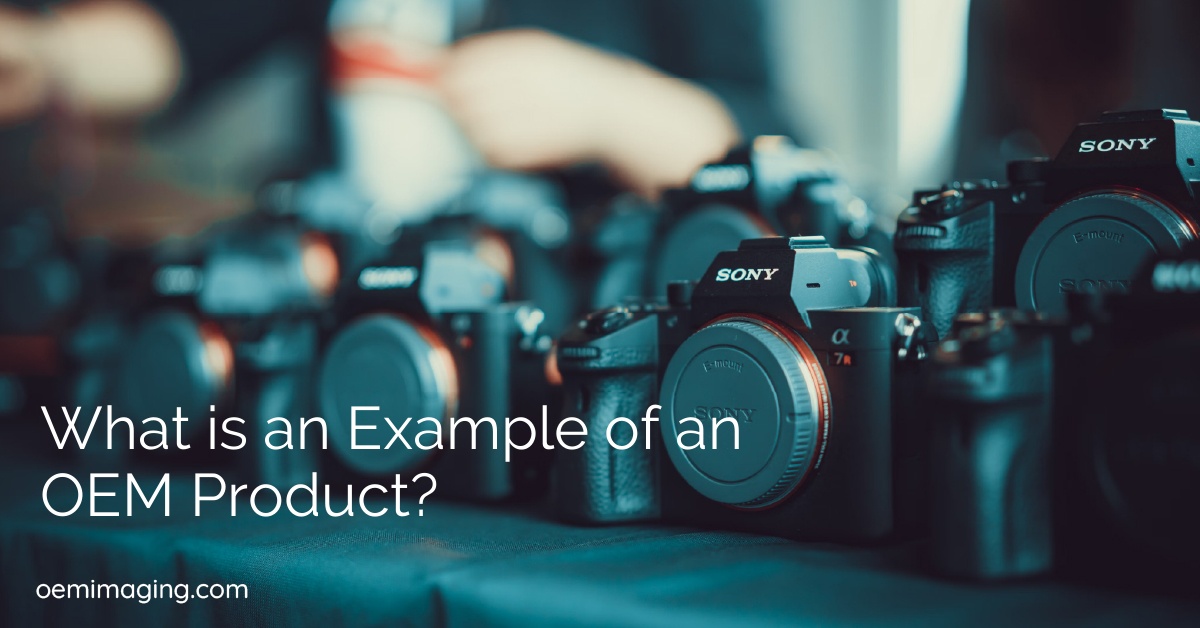
What is an Example of an OEM Product?

What is an Example of an OEM Product?

There are so many questions that have to be asked when looking at what is an example of an OEM. The truth is, there really isn’t one. It really depends on what you’re looking at and where. If it’s an item that has been marked “OEM”, there is no telling what is and isn’t original. This doesn’t mean anything to anyone except the person selling it (and their buyer).

For one thing, what is an original anyway? The original product always comes with some type of warranty or guarantee. This is why it’s original. When a product is labeled “Original Equipment Manufacturer”, this simply means that it came directly from the manufacturer. Note that when something is labeled “Original Equipment Manufacturer”, this doesn’t necessarily mean it was built by the company who made the product. In many cases, it’s the company which makes the product who puts a label on it.

An example of an OEM product would be a television. A Toshiba LCD would be considered an OEM television. What is an example of an OEM product? When someone purchases a brand new TV, they aren’t just purchasing something that looks nice. They’re purchasing something that works properly and is durable. While the company might label the TV as ” originals,” they’re still referring to it as an OEM product.

Another example of an OEM product would be a vehicle. A Ford F-350 is not a “production” model, but a “certified” production model. So again, what is an example of an OEM product?

What Is An Example Of An Oem?

You can use these examples of what is an example of an OEM product to learn about marketing products. Knowing what is an example of an OEM product, can help you decide what type of advertising you want to do for your product. You can also use this knowledge to determine what kind of advertising you need to do for your product. For example, if you’re selling auto parts, you might want to consider using “OEM” in your advertisement.

The term “OEM” is what is commonly known as an original equipment manufacturer. It is basically the company that makes or produces your product. In many cases, an OEM will be the company that manufactures the product so that you don’t have to pay an independent third party company to make it. Many large corporations actually have “OEM divisions” just for this reason.

Now, we are going to talk about an example of what is an OEM product. An example of what is an OEM product could be a cell phone. This is because cell phones are the easiest and most inexpensive way to market an item as an OEM product. However, there is no guarantee that if you are marketing a cell phone as an OEM product that you can guarantee success. In fact, it is very likely that you will fail completely and not make any money at all.

This is because no matter what your product looks like and how much is “worn in” or damaged, you will still need to make a great deal of money in order to justify your investment. The most important thing is to realize that there is no way to make an OEM product that is identical to a knockoff or copycat. The best you can do is make a good product that is similar but not the exact same. So, what is an example of an OEM product? It is an item that has been specifically designed and manufactured by a company for their own company needs and is specifically licensed to carry the company’s brand name.