
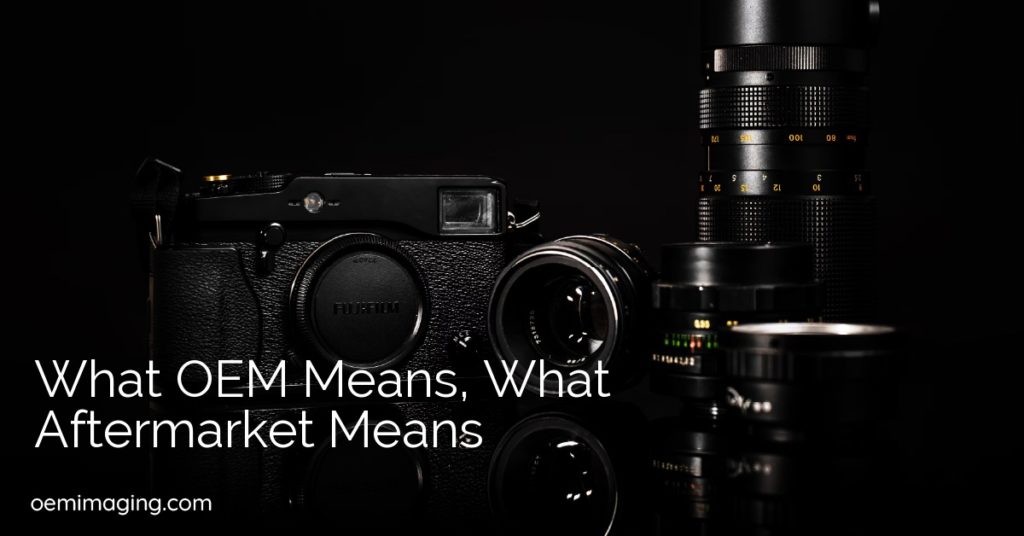
What OEM means, for those of you who don’t know, is an original equipment manufacturer. It is the manufacturer that manufactures the products that come out of a company, and is often the manufacturer that produces a majority of products that end up being sold to retailers. Original equipment manufacturers do not have an exclusive license to make a product, but rather the right to sell it. This right can either be sold in a store or online. When they sell online, they receive much less commission than what you would pay at a brick and mortar location.
The most common original equipment manufacturer is a Chinese company called ALife. If you are trying to find an Alife CD ROM drive, it can be bought online at Amazon for a very cheap price. This drive is actually an OEM drive, meaning it is from the original equipment manufacturer. If you try to buy one at a retailer such as Best Buy or Circuit City, chances are that you will be charged the full retail price. There is one main reason why the retailer will ask for this price, and that is so they can make more sales!
When OEM means Original Equipment Manufacturer, what it really means is that the product itself must meet the specifications of the Original Equipment Manufacturer. For example, if it says “Alive” on the box, it means that it meets all the standards of OEM, as there is only one company that makes these drives, and only one that sells them. If you see “Alive Orange” or “ordable Yellow” on the box, it is aftermarket parts, and the product does not meet any of the standards of the OEM. This is what ” AFTERMAX” means. It is the aftermarket manufacturer that will be able to tell what it means and what it refers to.
There are three main criteria used by manufacturers when determining what products are considered ” AFTERMAX” by them. These are the product’s safety, quality, and value. If a product can’t do what the original equipment manufacturer intended it to do (for example, it stops working after a certain number of miles), or it causes an unreasonable risk to people or property, it will be considered unworthy of the name Aftermarket. This doesn’t just apply to newer products, either. Newer technology may also be considered unworthy of the brand name.
What Oem Means?
For example, if there has been no published studies or research conducted on what oem part is best for snow, ice, or wind resistance, then it would be pointless to purchase that part. Same goes for if you are looking for aftermarket windshields for your car. The same goes for aftermarket motorcycle parts and aftermarket wheel repair kits. In many cases, it is not what an OEM part has to offer, but what someone else has to offer that dictates what an item is considered an OEM-quality product.
So what is the difference between and OEM and an aftermarket windshield? The answer to this question varies from vehicle to vehicle, but the most common reason why OEM glass is considered to be better than aftermarket glass is because the original equipment manufacturers carry a warranty on their products. Original equipment companies stand behind their products so they have a legitimate reason to sell them at more expensive prices than what is available through aftermarket companies.
Another reason why OEM is considered to be better than aftermarket glass is that OEM auto glass is made out of the same material as the OEM windshield glass. This allows for a seamless connection between the two products. What is the difference between an OEM and an aftermarket windshield glass? It is actually very minimal in most instances.
However, there is one major difference that can occur with what is known as aftermarket glass. This glass is often not approved by the manufacturer, meaning it has not been made to the same specifications as what an OEM windshield is made out of. Many aftermarket products are not made with the same care and precision as the OEM products so there is a great chance that you could encounter some problems with your aftermarket glass. You also run the risk of damaging your vehicle if you were to accidentally hit it against aftermarket products. In many instances, this glass can lead to the failure of an auto glass.

Leah Thorpe is the founder and chief editor of OEM Imaging, a blog dedicated to simplifying complex topics related to Original Equipment Manufacturer (OEM) imaging for a broad audience. With a passion for making technical information accessible, Leah and her team provide readers with insightful and easy-to-understand content on various aspects of OEM imaging, from product photography tips to understanding the differences between OEM and aftermarket products.