
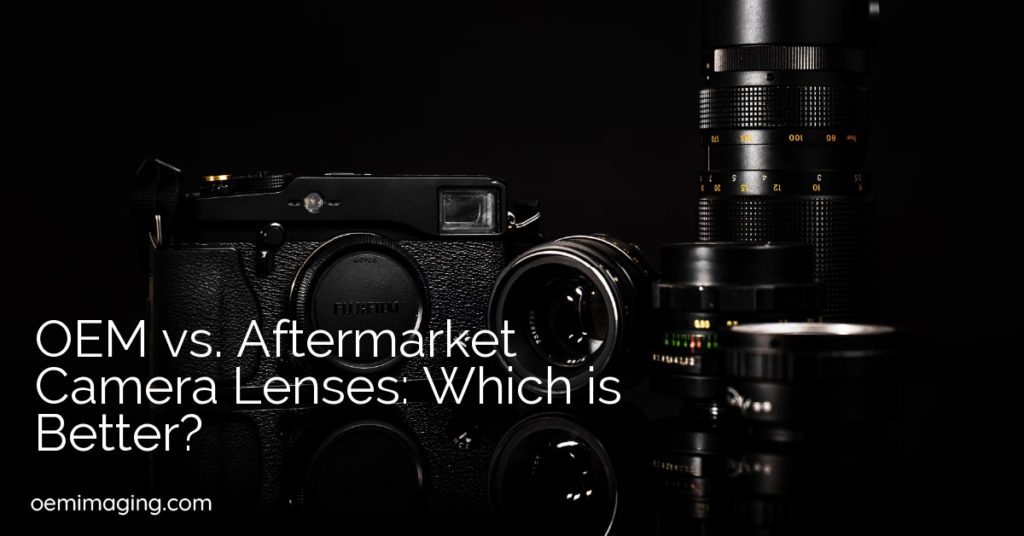
When it comes to choosing camera lenses, the decision between OEM (Original Equipment Manufacturer) lenses and aftermarket lenses can be a tough one. There are pros and cons to each option, and it ultimately comes down to personal preference and the specific needs of the photographer. In this article, we will explore the differences between OEM and aftermarket lenses to help you make an informed choice for your camera gear.
Understanding the Differences: OEM vs. Aftermarket Lenses
When it comes to camera lenses, there are two main categories: OEM (Original Equipment Manufacturer) lenses and aftermarket lenses. The primary difference between these options lies in the manufacturers. OEM lenses are produced by the same company that manufactures the camera itself, such as Canon or Nikon. On the other hand, aftermarket lenses are produced by third-party manufacturers like Sigma or Tamron.
OEM lenses are known for their high quality and compatibility with the camera system. They are designed specifically for the camera, ensuring optimal performance. These lenses undergo strict quality control measures to meet the manufacturer’s standards. However, the selection of OEM lenses may be more limited compared to aftermarket options.
Aftermarket lenses, on the other hand, offer more affordable prices and a wider range of options. These lenses are produced by third-party manufacturers who aim to fill the gaps in lens options that may not be available from OEMs. While some third-party lenses can rival or even surpass the performance of OEM lenses, it’s important to note that the quality can vary. Researching and choosing reputable third-party manufacturers is essential to ensure reliable results.
| OEM Lenses | Aftermarket Lenses |
|---|---|
| Produced by the same company that manufactures the camera | Produced by third-party manufacturers |
| Known for high quality and compatibility | More affordable prices and wider range of options |
| Undergo strict quality control measures | Quality can vary |
The Pros and Cons of OEM Lenses
OEM lenses have several advantages. They are designed specifically for the camera system, ensuring optimal compatibility and performance. The image quality and build quality of OEM lenses are often superior, as they are made with high-grade materials and undergo rigorous testing. However, these lenses come with a higher price tag compared to aftermarket options. Additionally, the selection of lenses may be more limited compared to aftermarket lenses.
Advantages of OEM Lenses:
- Designed specifically for the camera system, ensuring optimal compatibility and performance
- Superior image quality and build quality, made with high-grade materials and undergo rigorous testing
Disadvantages of OEM Lenses:
- Higher price compared to aftermarket options
- Limited selection of lenses compared to aftermarket options
While OEM lenses offer high quality and brand compatibility, they may not be the most budget-friendly option. Photographers with a larger budget and a focus on performance may find OEM lenses to be the ideal choice. However, photographers on a tighter budget or those looking for a wider range of lens options may prefer aftermarket lenses.
It’s important to evaluate your specific needs and budget when deciding between OEM and aftermarket lenses. Consider the type of photography you engage in, the features you require, and the level of image quality you desire. Research and compare lens specifications, read reviews, and take into account your shooting style and desired outcomes before making a decision.
| Advantages of OEM Lenses | Disadvantages of OEM Lenses |
|---|---|
| Designed specifically for the camera system | Higher price compared to aftermarket options |
| Optimal compatibility and performance | Limited selection of lenses compared to aftermarket options |
| Superior image quality and build quality |
The Pros and Cons of Aftermarket Lenses
When it comes to camera lenses, aftermarket options offer a number of advantages and disadvantages for photographers. Let’s take a closer look at the pros and cons of choosing aftermarket lenses for your camera gear.
Advantages:
- Affordability: One of the biggest advantages of aftermarket lenses is their lower price point. These lenses are often more budget-friendly compared to OEM options, making them a great choice for photographers on a tight budget.
- Wide range of options: Aftermarket lens manufacturers offer a diverse selection of lenses, including specialized lenses that may not be available from OEMs. This allows photographers to have more flexibility and choice when it comes to their specific needs and shooting styles.
Disadvantages:
- Quality variation: While some third-party lenses can rival or even surpass the performance of OEM lenses, others may have inferior image quality or build. It’s important to research and choose reputable third-party manufacturers to ensure you get a lens that meets your expectations.
- Limited brand compatibility: Aftermarket lenses may not have the same level of compatibility with specific camera systems as OEM lenses. This can result in issues such as autofocus problems or limited functionality.
Ultimately, the decision to choose aftermarket lenses will depend on your individual needs, budget, and priorities. If affordability and a wide range of options are important to you, aftermarket lenses can offer a cost-effective solution. However, it’s crucial to weigh the potential quality variation and brand compatibility issues that may arise when choosing third-party lenses. By doing thorough research and considering your specific requirements, you can find the right lens that suits your photography style and delivers the desired results.
| Advantages | Disadvantages |
|---|---|
|
|
Considerations for Choosing OEM or Aftermarket Lenses
When it comes to selecting camera lenses, it’s important to carefully consider your budget, specific needs, and conduct thorough research. These factors play a significant role in deciding between OEM and aftermarket lenses. Let’s take a closer look at the key considerations to keep in mind when making this decision.
Budget
Your budget will significantly impact your lens choice. OEM lenses generally come with a higher price tag due to their brand reputation and compatibility with the camera system. On the other hand, aftermarket lenses offer a more affordable alternative, making them an attractive option for photographers on a budget.
Specific Needs
Consider the specific requirements of your photography style and the type of images you aim to capture. OEM lenses are known for their high-quality performance, brand compatibility, and a more limited but specialized selection. If you need certain features or focal lengths that are only available from OEM lenses, they may be the better choice for you. On the other hand, aftermarket lenses provide a wider range of options that can fill in the gaps and cater to specific needs that may not be met by OEM lenses.
Research
Thorough research is crucial before making any lens purchase. Take the time to read reviews, compare specifications, and evaluate the reputation and performance of both OEM and aftermarket lenses. Look for reputable third-party manufacturers and consider their track record in producing high-quality lenses. By conducting thorough research, you can make an informed decision that aligns with your budget and specific needs.
By carefully considering your budget, specific needs, and conducting thorough research, you can make an informed decision when choosing between OEM and aftermarket lenses. Remember that there is no one-size-fits-all answer, and the right choice will ultimately depend on your individual preferences and requirements as a photographer.
Reputation and Performance of Third-Party Manufacturers
When it comes to third-party lens manufacturers, there are a few standout names in the industry. Brands like Sigma, Tamron, and Tokina have built a solid reputation for producing high-quality lenses that can compete with OEM options. These manufacturers have invested in research and development to create innovative lens designs and incorporate advanced technologies, making them a reliable choice for photographers seeking alternatives to OEM lenses.
One of the key advantages of opting for lenses from Sigma, Tamron, or Tokina is the wide range of options they offer. These manufacturers fill the gaps in lens options that may not be available from OEMs, providing photographers with greater flexibility in capturing different types of shots. Whether it’s a specialized macro lens or a versatile zoom lens, third-party manufacturers often deliver affordable alternatives that meet specific needs.
Of course, as with any product, there can be variations in quality among third-party lenses. While some lenses from Sigma, Tamron, and Tokina can deliver exceptional performance that rivals or even surpasses OEM lenses, others may fall short in terms of image quality or build. It’s crucial to read reviews and thoroughly research the specifications of the lens you’re considering, ensuring it meets your criteria and delivers the performance you expect.
| Third-Party Manufacturer | Strengths | Weaknesses |
|---|---|---|
| Sigma | • Highly regarded optics • Wide range of lens options • Competitive pricing |
• Inconsistent quality control • Limited autofocus compatibility with certain camera systems |
| Tamron | • Excellent value for money • Image stabilization on most lenses • Wide aperture options |
• Some lenses have slower autofocus • Variations in lens performance between different copies |
| Tokina | • Great build quality • Enhanced durability for rugged shooting conditions • Excellent lens coatings |
• Limited lens lineup compared to Sigma and Tamron • Some lenses have slower autofocus |
In summary, Sigma, Tamron, and Tokina have achieved a commendable reputation in the industry, offering photographers viable alternatives to OEM lenses. These third-party manufacturers provide a wide range of options and, in many cases, deliver impressive performance that can meet the demands of professional photographers and enthusiasts alike. However, it’s important to carefully consider individual lens specifications, read reviews, and assess your specific needs before making a decision.
Balancing Cost and Quality: Making a Choice
When it comes to choosing between OEM and aftermarket lenses, striking the right balance between cost and quality is crucial. Both options have their advantages and drawbacks, and the decision ultimately depends on your specific needs and budget. To help you make an informed choice, let’s compare the cost-effectiveness and performance of OEM and aftermarket lenses.
The Cost-Effectiveness Factor
OEM lenses, being produced by the same manufacturer as your camera, often come with a higher price tag. While the investment may be worthwhile for photographers seeking optimal image quality and seamless compatibility, it may not be the most cost-effective option for those on a budget. Aftermarket lenses, on the other hand, offer a more affordable alternative without compromising too much on performance.
Performance Comparison
When it comes to performance, both OEM and aftermarket lenses have their strengths. OEM lenses are known for their superb build quality and exceptional image quality, thanks to strict quality control measures. However, reputable third-party manufacturers have made significant strides in recent years, producing lenses that can rival or even surpass OEM options in terms of performance and functionality.
To make an informed choice, it’s important to research and compare lens specifications, as well as read reviews from trusted sources. Take into consideration factors such as autofocus speed, image stabilization, and overall optical performance.
| OEM Lenses | Aftermarket Lenses | |
|---|---|---|
| Price | Higher | Lower |
| Build Quality | Exceptional | Varies by manufacturer |
| Image Quality | Superb | Varies by manufacturer |
| Compatibility | Optimal | Varies by manufacturer |
Note: The table above provides a general overview. The actual performance and cost-effectiveness may vary depending on the specific lens models and manufacturers.
In conclusion, choosing between OEM and aftermarket lenses requires consideration of your budget and desired performance. If cost is a primary concern, aftermarket lenses can provide a more affordable option without compromising too much on quality. However, if you prioritize the highest level of image quality and seamless compatibility, investing in OEM lenses may be the right choice. It’s recommended to carefully evaluate your needs, do thorough research, and if possible, test out different lenses before making a final decision.
Final Thoughts: Finding the Right Lens for You
When it comes to choosing a camera lens, the decision between OEM and aftermarket options can be a challenging one. It ultimately boils down to personal preference and the specific needs of the photographer. Considering a few key factors can help you make an informed choice.
The first consideration is personal preference. Some photographers prioritize brand compatibility and high-quality performance, while others value affordability and a wider range of options. Understanding your shooting style and desired outcomes will guide you in selecting the lens that best suits your needs.
Another important aspect is trial and error. Investing in camera gear is a significant decision, and it’s always recommended to try out different lenses before making a purchase. By physically testing the lenses, you can assess their performance, ergonomics, and image quality, ensuring that you choose a lens that delivers the desired results.
Lastly, remember that finding the right lens is a process. It may involve some trial and error. Don’t be discouraged if your first choice doesn’t meet your expectations. Keep exploring and experimenting until you find the lens that perfectly aligns with your shooting style and artistic vision.

Leah Thorpe is the founder and chief editor of OEM Imaging, a blog dedicated to simplifying complex topics related to Original Equipment Manufacturer (OEM) imaging for a broad audience. With a passion for making technical information accessible, Leah and her team provide readers with insightful and easy-to-understand content on various aspects of OEM imaging, from product photography tips to understanding the differences between OEM and aftermarket products.